Why quarterly tax planning beats a March scramble
Filing looks backward. Planning looks forward. The difference is which decisions are still yours to make.
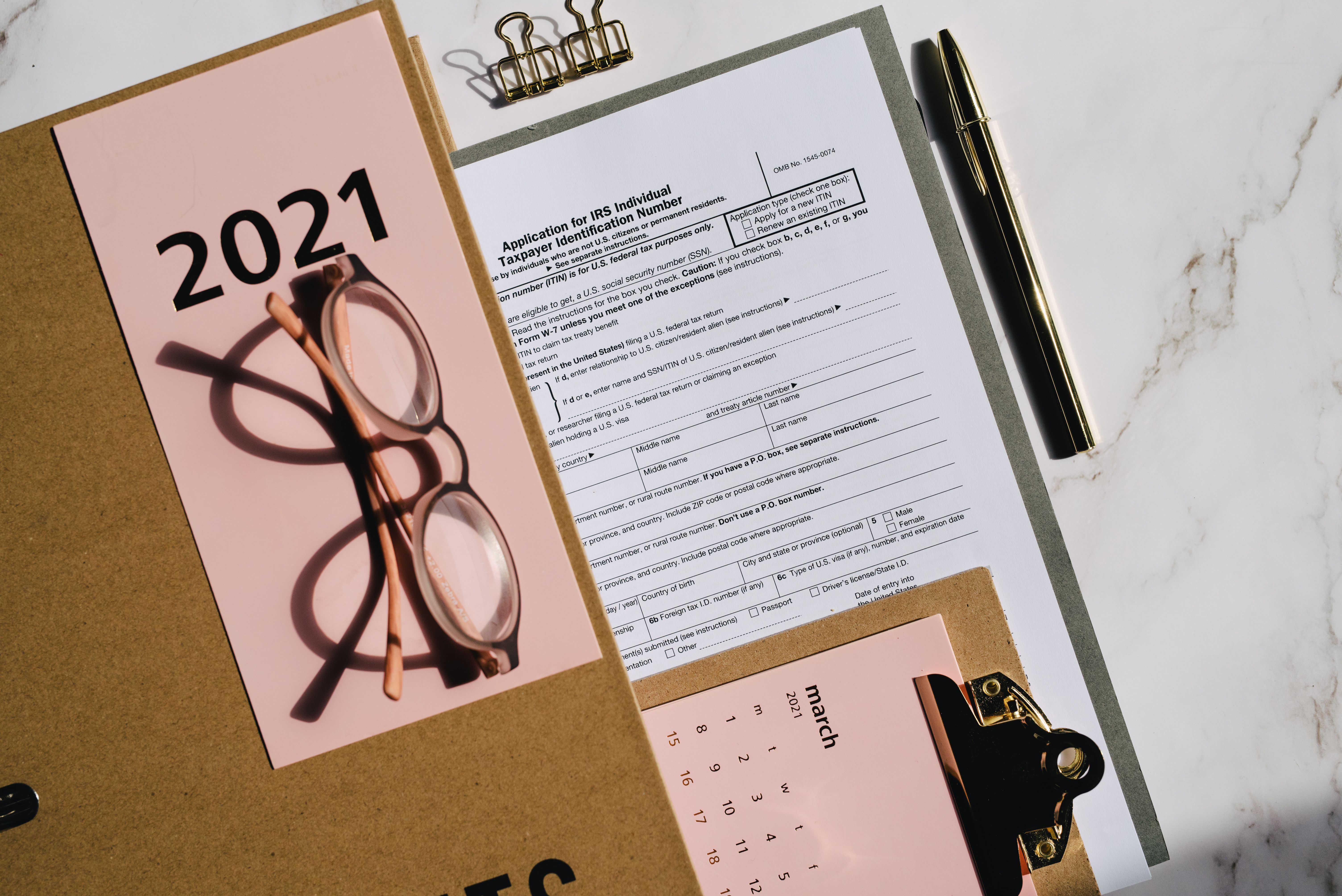
By the time you are filing, the year is closed. Every decision that could have changed the outcome has already been made.
That is the difference between tax preparation and tax planning, and it is worth being precise about — they happen at opposite ends of the year and they are not the same job.
Preparation looks backward. Planning looks forward.
Preparation is the work of reporting what happened: gathering the year’s records, producing the return, filing it. There is nothing left to decide — the year already is what it is.
Planning happens while the year is still running, when the decisions are still yours. Timing, structure and the size of your estimated payments are all open questions in July. By March they are history.
What is still moveable during the year
- Timing. When income lands and when expenses are incurred can sometimes be influenced, and the effect depends on how your business is structured.
- Estimated payments. Getting these roughly right through the year avoids both a surprise bill and lending money to the government interest-free.
- Structure. How the business is set up affects how it is taxed. Changing it is not a quick fix, which is exactly why it belongs in an early conversation rather than a filing-season one.
- Clean books. The unglamorous one. Planning means knowing where you actually stand, and you cannot plan against records that are three months behind.
What is worth doing in each case depends entirely on your situation — which is why this is a conversation rather than a checklist.
A quarterly rhythm is usually enough
Most small businesses do not need to think about tax monthly. But once a quarter, with current books in front of you, is generally enough to catch the things that get expensive if they are left until spring.
Where we stop
To be clear about our role: Spark does tax planning, not tax filing. We work on the forward-looking side — the strategy, the estimates, the structure conversations, and keeping the books clean enough that all of it rests on real numbers.
When it is time to file, we hand off to a CPA we refer you to, with books that are already current. They file. We plan.
If your only tax conversation each year happens in March, the useful part has already passed.
Ready to get started?
Book a free 15-minute intro call and we will map out your next step.